Private Label Clothing: The Complete Guide for Fashion Brands
Private Label Clothing: The Complete Guide for Fashion Brands
Starting your own clothing brand sounds exciting—but turning an idea into a real, production-ready collection can quickly become complicated.
You need the right products, fabrics, fit, branding, packaging, sampling and, most importantly, a manufacturing partner who understands what you're trying to build.
That is where private label clothing comes in.
Private label allows a brand to sell apparel under its own identity while working with an established manufacturer for production. Depending on the manufacturing arrangement, brands can customise details such as fabrics, colours, fit, trims, labels, printing, embroidery and packaging.
For new fashion brands, retailers and growing businesses, it can be a practical way to build a professional clothing line without operating a factory of your own. 🧵
Let's break down how it works.
What Is Private Label Clothing?
Private label clothing is apparel produced by a manufacturer and sold under a brand's own name.
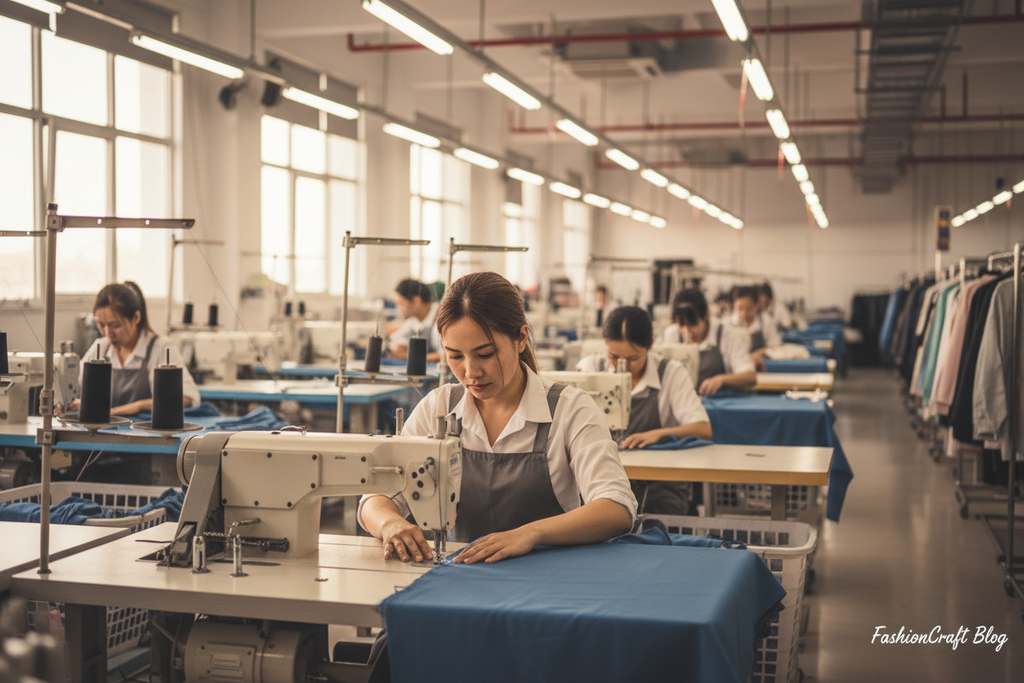
Instead of building a manufacturing facility yourself, you work with an apparel manufacturer to develop and produce your garments.
Your brand can then appear across the finished product through elements such as:
-
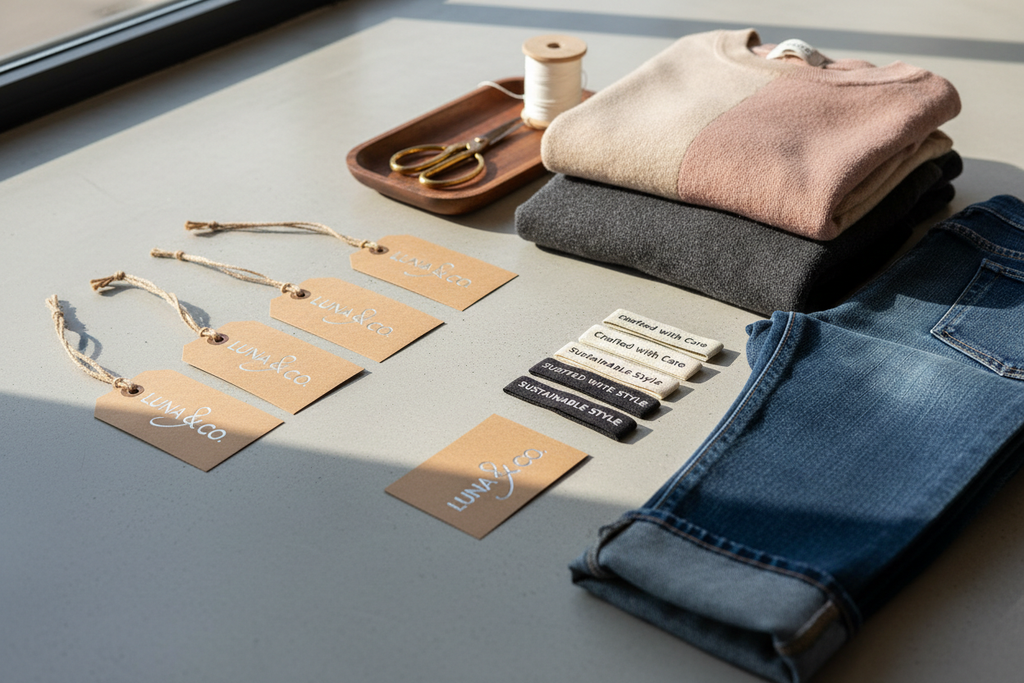
Woven or printed labels
-
Hang tags
-
Custom colours
-
Logos and artwork
-
Embroidery or printing
-
Packaging
-
Product-specific details
The exact level of customisation depends on the manufacturer and production model.
The key idea is simple:
Your brand owns the customer-facing identity, while the manufacturing partner handles the production side.
Private Label vs. White Label: What's the Difference?
These terms are often used interchangeably, but they can describe different approaches.
White Label
White-label apparel is generally based on an existing, ready-made product that can be branded or customised to a limited extent.
It can be useful when speed and simplicity are more important than developing a highly distinctive garment.
Private Label
Private-label production usually gives a brand more involvement in the finished product—including elements such as fabric, fit, colours, branding and finishing, depending on the agreement.
Custom / OEM Manufacturing
With custom or OEM production, the manufacturer produces garments according to your specifications. This can involve detailed product development, technical specifications and custom construction.
The boundaries between these terms can vary between manufacturers, so always ask exactly what is included in the production service before placing an order.
Why Choose Private Label Clothing? 👕
Private label can be attractive for brands that want more control over their products without taking on the cost and complexity of running their own manufacturing operation.
Build Your Own Brand Identity
Instead of selling generic apparel, your products can be developed around your own brand's visual identity.
More Product Control
Depending on the manufacturer, you may be able to specify fabrics, colours, measurements, labels, trims, artwork and packaging.
Create a Consistent Collection
Working with one manufacturing partner can make it easier to maintain consistency across different products and future collections.
Focus on the Brand
Manufacturing partners can handle much of the production process, allowing the brand owner to focus more on design, ecommerce, marketing and customers.
How Does Private Label Clothing Manufacturing Work?
The process will vary from manufacturer to manufacturer, but a typical project can look like this:
01 — Define Your Product
Start with the basics.
What are you making?
A heavyweight T-shirt?
Oversized hoodie?
Polo?
Joggers?
Activewear set?
You should also know who the product is for and what kind of quality and price position you're aiming for.
02 — Share Your Requirements
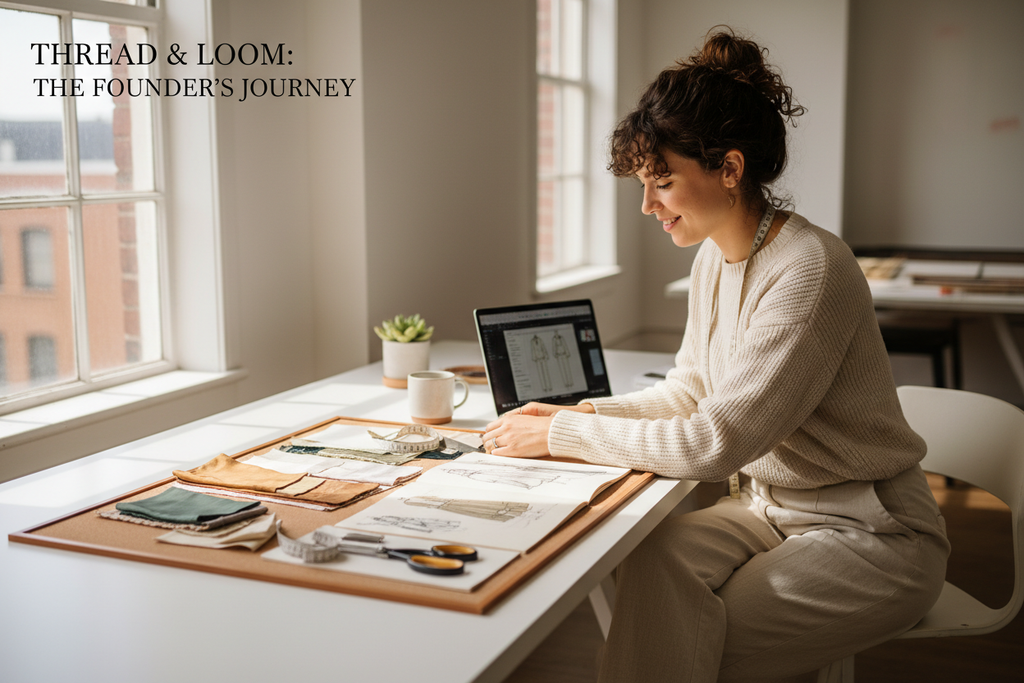
A manufacturer may need a sketch, reference image, existing garment, measurements or a complete tech pack.
The more clearly you communicate the product, the easier it is to develop accurately.
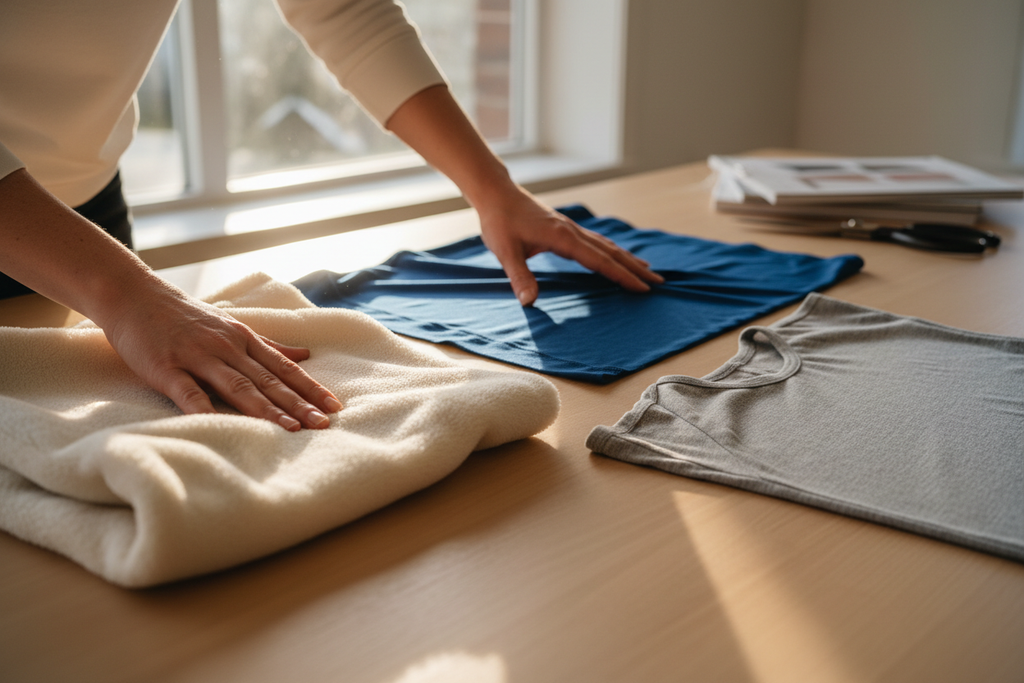
03 — Select Fabric & Details
This is where product quality starts to take shape.
Consider:
Fabric composition
GSM / fabric weight
Colour
Fit
Construction
Trims
Printing
Embroidery
Choosing a fabric simply because it “feels premium” isn't enough. It needs to be appropriate for the garment and its intended use.
04 — Develop a Sample
Before bulk production, the manufacturer creates a sample for evaluation.
This is your opportunity to review:
-
Fit
-
Measurements
-
Fabric
-
Colour
-
Stitching
-
Artwork
-
Branding
-
Overall construction
Never treat the sample as a formality.
It is one of the most important stages of the entire process. ✅
05 — Approve the Product
Once the sample meets the agreed requirements, the product can move toward bulk production.
If changes are needed, communicate them clearly and have the updated specifications confirmed before production.
06 — Bulk Production
After approval, the manufacturer begins production according to the agreed specifications and quantity.
Depending on the order, this can involve fabric preparation, cutting, stitching, decoration, finishing, quality checks and packaging.
07 — Quality Control & Packaging
Before shipment, the finished garments should be checked against the approved specifications and sample.
Products can then be folded, packed and prepared for delivery according to the agreed packaging requirements.
What Can You Customise With Private Label Clothing?
One of the biggest advantages of private label production is the ability to make the finished product feel like your brand.
Depending on the manufacturer, customisation can include:
Garment
-
Fit
-
Measurements
-
Fabric
-
GSM
-
Colour
-
Construction
-
Stitching details
Branding
-
Neck labels
-
Care labels
-
Woven labels
-
Hang tags
-
Printed branding
Decoration
-
Screen printing
-
Embroidery
-
Other suitable printing techniques
Packaging
-
Poly bags
-
Branded packaging
-
Fold presentation
-
Custom tags and inserts
The important thing is to discuss these requirements before production, not after.
What Is MOQ in Private Label Clothing?
MOQ means Minimum Order Quantity.
It refers to the minimum quantity a manufacturer requires for an order, product or production run.
MOQ can depend on factors such as:
-
Garment type
-
Fabric
-
Colour
-
Customisation
-
Production method
-
Manufacturer
For a new clothing brand, MOQ is especially important because ordering too much inventory too early can tie up a significant amount of capital.
At the same time, extremely small production runs may have higher per-unit costs.
The goal is to find a production quantity that makes sense for your product, budget and expected demand.
How Much Does Private Label Clothing Cost?
There is no single price for private label clothing.
Your final cost can depend on:
Product type + fabric + GSM + quantity + customisation + branding + packaging + production requirements + shipping
A basic garment with simple branding can have a very different cost structure from a fully customised cut-and-sew product.
When comparing manufacturers, don't look only at the unit price.
Ask what the quotation actually includes.
A slightly higher manufacturing price may include additional services that another supplier charges separately for.
How to Choose a Private Label Clothing Manufacturer
Choosing the right manufacturer can have a major impact on your final product.
Before working with a supplier, consider:
Product Capability
Can they actually make the products you want?
Fabric & Sourcing
Can they source the fabric specifications your collection requires?
Sampling
Do they provide proper samples before bulk production?
Customisation
Can they handle your labels, trims, printing, embroidery and packaging?
Quality Control
How is quality checked during and after production?
MOQ
Does their minimum order quantity fit your business stage?
Communication
Can they clearly understand your requirements and provide realistic answers?
Production & Shipping
Are production timelines and shipping arrangements clearly explained?
A good manufacturer should make the production process clearer, not more confusing.
Private Label Clothing for Startups 🚀
You don't have to be an established fashion company to explore private label manufacturing.
Many emerging brands begin with a focused collection rather than launching dozens of products at once.
For example:
1–2 core T-shirts
1 hoodie
1 trouser or jogger
A smaller collection can make it easier to control:
-
Sampling
-
Inventory
-
Photography
-
Quality
-
Marketing
-
Customer feedback
Once you understand what your customers actually want, you can expand the range.
Common Mistakes New Clothing Brands Make
Ordering Before Sampling
A product can look perfect on paper and still have problems with fit, fabric or construction.
Choosing the Cheapest Supplier
Price matters, but it shouldn't be the only consideration.
Being Too Vague
“Make it premium” isn't a production specification.
Be specific about measurements, fabric, GSM, colours, branding and construction.
Launching Too Many Products
More products don't automatically mean a stronger brand.
A focused collection can be easier to execute well.
Ignoring Packaging
Your product experience doesn't end with manufacturing.
Packaging is part of how customers experience your brand.
Is Private Label Clothing Right for Your Brand?
Private label can make sense when you want to:
Build your own clothing identity
Sell under your own brand name
Customise your products
Work with an experienced manufacturing partner
Scale beyond generic ready-made apparel
It may not be the right model for every business.
The best approach depends on your products, budget, desired customisation, order quantities and long-term goals.
From Concept to Collection 🖤
A successful clothing brand isn't built by simply putting a logo on a garment.
It starts with a product idea—and then comes the work of making that idea real.
Concept → Product Development → Sampling → Approval → Production → Quality Control → Branding → Packaging → Delivery
That process becomes much easier when the right manufacturing partner is involved from the beginning.
At Freedy Apperals, we work with brands looking to develop and produce custom apparel with their own identity—from product requirements and customisation to branding and production.
Have a clothing idea ready?
Explore Freedy Apperals Custom Orders and take the next step toward turning your concept into a finished collection.
Your brand. Your identity. Your product.