How Clothing Manufacturing Works: From Design to Finished Garment
How Clothing Manufacturing Works: From Design to Finished Garment
Ever wondered what actually happens between having a clothing idea and receiving the finished garments?
A garment doesn't simply go from a sketch to a factory floor.
Behind every finished T-shirt, hoodie, polo, trouser or activewear piece is a process involving product development, technical specifications, fabric sourcing, pattern making, sampling, production and quality control.
For a new clothing brand, understanding this process can make communication with manufacturers much easier—and can help prevent avoidable production mistakes. Current apparel-industry guides describe the same general workflow, although the exact stages can vary depending on the product and manufacturing method.
So, let's take a look behind the scenes. 🧵
The Clothing Manufacturing Process at a Glance
A typical custom apparel journey looks something like this:
Design → Tech Pack → Fabric & Material Sourcing → Pattern Development → Sampling → Approval → Bulk Production → Quality Control → Finishing → Packing & Delivery
Every stage has a purpose.
Skipping or rushing an important stage can create problems later in the process.
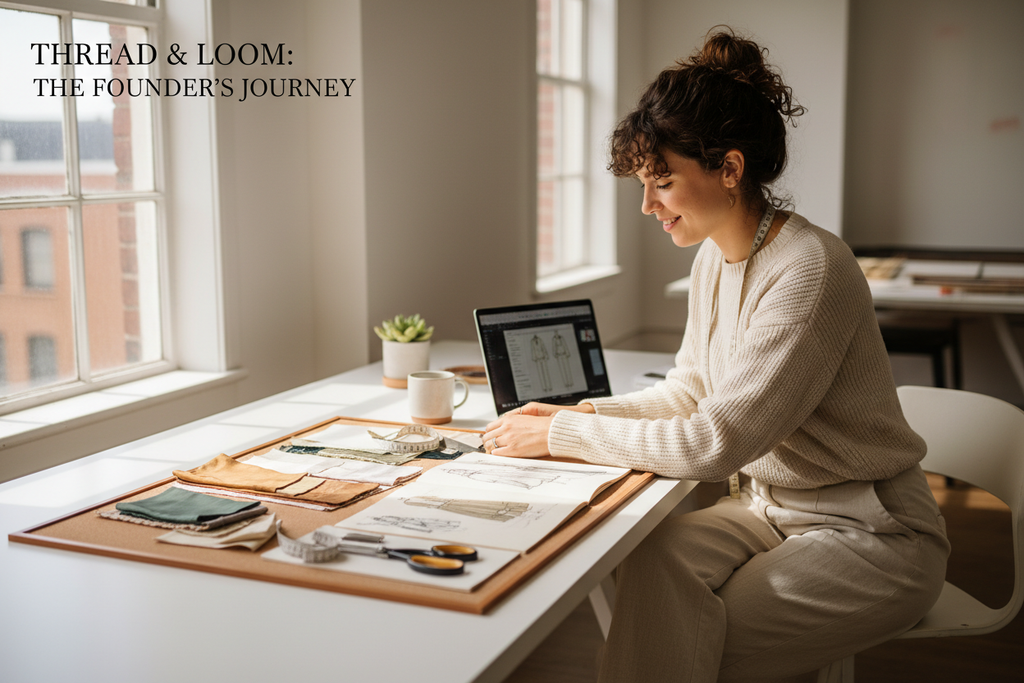
1. Product Design & Development ✏️
Everything starts with the product idea.
At this stage, the brand decides what it actually wants to make.
That could include:
- T-shirts
- Hoodies
- Polos
- Joggers
- Shorts
- Jackets
- Activewear
- Streetwear
But a manufacturer needs more than the garment category.
The brand should establish details such as:
Fit
Silhouette
Fabric
Colour
GSM
Measurements
Construction
Branding
Target price
A clear product concept creates the foundation for everything that comes next.
2. The Tech Pack 📋
Once the product concept is clear, the design needs to be translated into technical information.
This is where a tech pack comes in.
A tech pack is essentially a production blueprint for the garment. It can contain information such as:
- Technical drawings
- Measurements
- Fabric specifications
- GSM
- Colours
- Stitching details
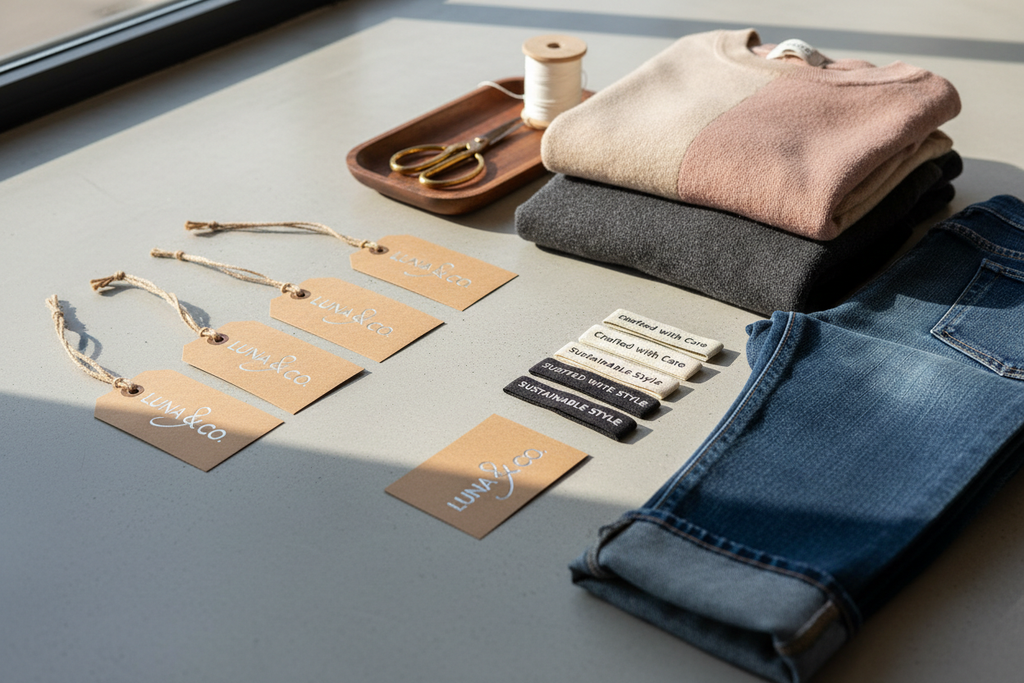
- Labels
- Trims
- Artwork
- Placement instructions
- Packaging requirements
- Size specifications
The purpose is simple:
Turn a creative idea into instructions a manufacturer can actually work from.
A detailed tech pack can reduce assumptions and make sampling and production communication more precise.
3. Fabric & Material Sourcing 🧵
Next comes the selection of materials.
The manufacturer and brand may need to determine:
Fabric composition
GSM
Colour
Finish
Trims
Buttons / zippers / hardware
Labels
The correct fabric isn't simply the one with the highest GSM or the lowest price.
A summer T-shirt, heavyweight streetwear hoodie and performance activewear piece may all require completely different material specifications.
This is why fabric selection should always be connected to the purpose of the garment.
4. Pattern Development & Grading
Now the garment needs to be translated into physical pattern pieces.
The pattern determines how the different pieces of fabric will be shaped and assembled to create the final garment.
This stage is particularly important for:
- Fit
- Measurements
- Proportions
- Silhouette
- Construction
Once the base pattern is developed, sizing may also need to be graded so the garment can be produced across multiple sizes.
A small measurement mistake at this stage can eventually affect an entire production run—which is why technical specifications and approvals matter.
5. Sampling: Turning the Specification Into a Real Garment 👕
This is where things get exciting.
The first physical sample allows a brand to see how the product actually looks and feels.
Instead of judging the garment from a screen or drawing, you can now evaluate:
Fit
Does the garment sit correctly?
Measurements
Are the specifications accurate?
Fabric
Does it feel and perform as expected?
Construction
Are the seams and details correct?
Branding
Are labels, artwork and placement accurate?
Overall appearance
Does the finished sample actually represent the original concept?
Sampling is one of the most important stages because problems are easier to identify and correct before bulk production.
6. Revisions & Pre-Production Approval ✅
The first sample doesn't always become the final garment.
Sometimes adjustments are required.
For example:
Sleeves may need changing.
Measurements may need correcting.
Fabric may need adjusting.
Artwork placement may need refinement.
Details may need to be reconstructed.
Once the required changes have been made, the brand and manufacturer can move toward approving the pre-production sample.
Bulk production should generally begin only after the product specifications and approved sample are confirmed.
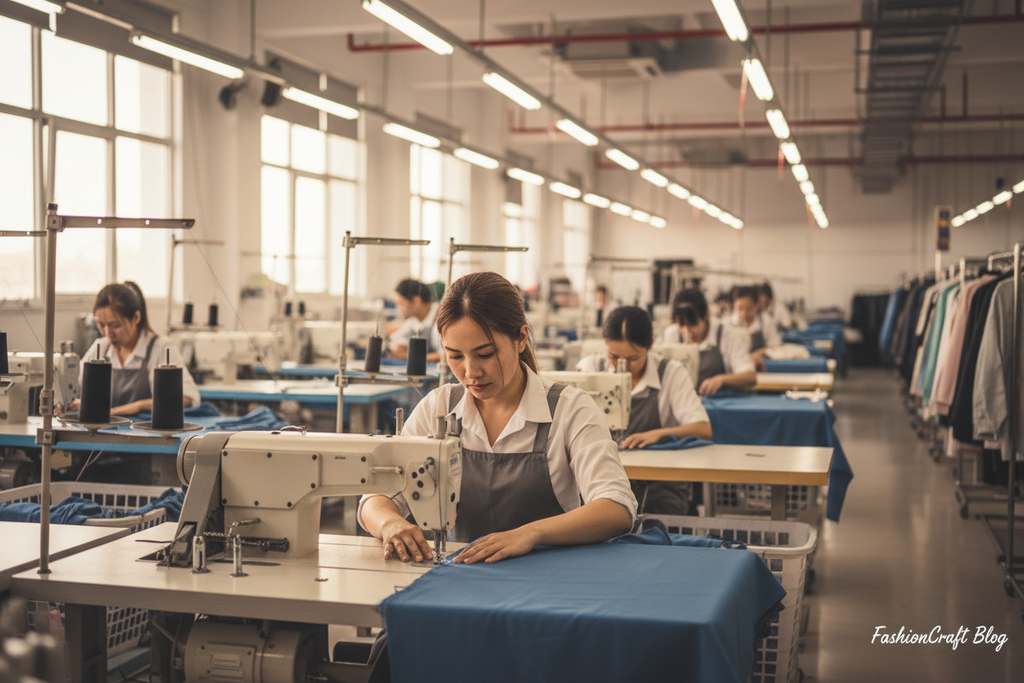
7. Bulk Production 🏭
Now the approved product moves into manufacturing.
Depending on the garment, the production floor may involve multiple stages:
Fabric preparation
↓
Marker & cutting
↓
Component bundling
↓
Sewing & assembly
↓
Printing / embroidery
↓
Finishing
Large quantities of garments are produced according to the approved specifications.
This is where consistency becomes especially important.
It isn't enough for one sample to look correct.
The production run needs to reproduce the approved product consistently across the order.
8. Quality Control 🔍
Quality control shouldn't be treated as something that only happens when production is finished.
Professional production workflows may involve checks at different stages, including materials, early production and finished garments.
Quality checks can include:
- Measurements
- Stitching
- Fabric defects
- Colour consistency
- Print quality
- Embroidery
- Labels
- Construction
- Finishing
- General workmanship
The purpose is to identify issues before the garments reach the customer.
And there's an important principle here:
The earlier a production problem is discovered, the easier it usually is to correct.
9. Finishing & Final Preparation
After the main construction is complete, garments go through finishing processes.
Depending on the product, this can involve:
Thread trimming
Ironing / pressing
Final finishing
Label attachment
Final inspection
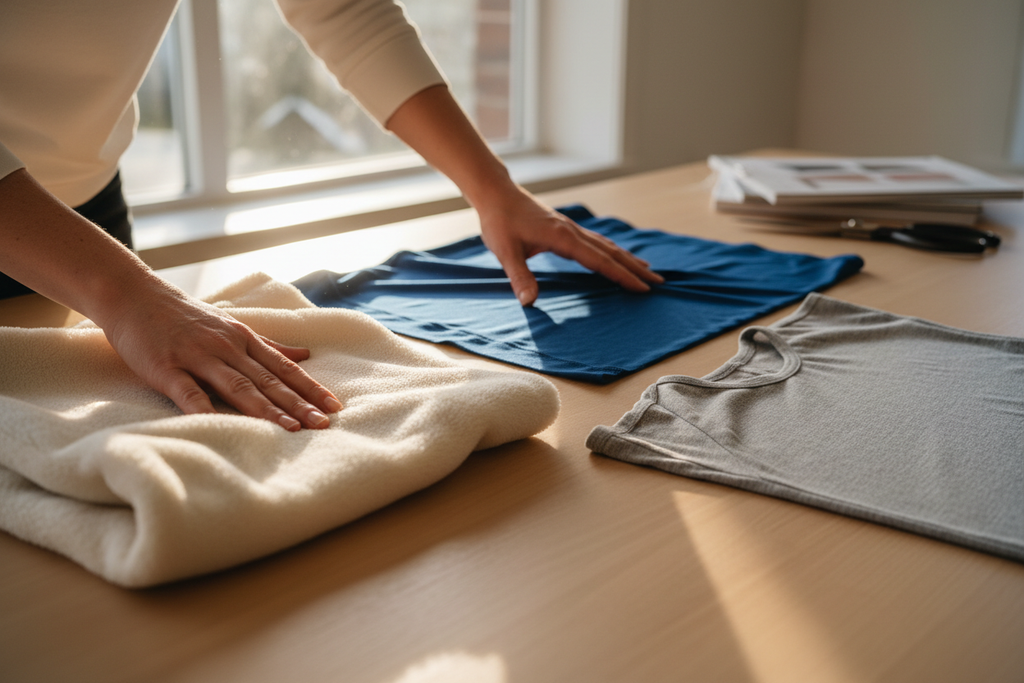
The objective is to make sure the garment is ready to leave production looking the way it was intended to.
10. Folding, Packaging & Delivery 📦
The final stage is preparing the finished garments for shipment.
Products may be:
- Folded
- Labelled
- Individually packed
- Boxed
- Counted
- Prepared for shipping
Packaging requirements can vary from simple protective packaging to fully branded presentation.
After final checks, the completed order is dispatched to the brand or its designated destination.
And that's how an idea becomes a finished garment.
How Long Does Clothing Manufacturing Take?
There isn't one universal production timeline.
The overall schedule can depend on:
- Product complexity
- Fabric availability
- Sampling rounds
- Customisation
- Order quantity
- Manufacturer capacity
- Production schedule
- Shipping method
A simple ready-made style can move through development differently from a fully custom cut-and-sew garment.
That's why brands should ask manufacturers for a project-specific timeline rather than assuming every clothing order takes the same amount of time.
Why the Manufacturing Process Matters for Clothing Brands
Understanding manufacturing isn't just useful for manufacturers.
It's useful for brand owners too.
When you understand the process, you can:
Communicate your requirements more clearly.
Ask better questions.
Understand quotations more accurately.
Plan your launch around realistic production stages.
Identify problems earlier.
And most importantly, you understand that a finished garment is the result of many connected decisions, not just sewing fabric together.
From an Idea to a Finished Collection 🖤
Every clothing brand starts somewhere.
A sketch.
A reference.
A concept.
A first sample.
But turning that idea into a product requires a structured process.
Design → Specification → Fabric → Pattern → Sample → Approval → Production → QC → Packaging → Delivery
The better each stage is managed, the easier it becomes to create garments that consistently represent the brand behind them.
Building your own apparel collection?
Freedy Apperals works with brands looking to develop custom apparel around their own designs, specifications and branding.
From concept to finished garment.